
MIMAKI VIETNAM CO., LTD.
Case Study
Challenges
Improvements
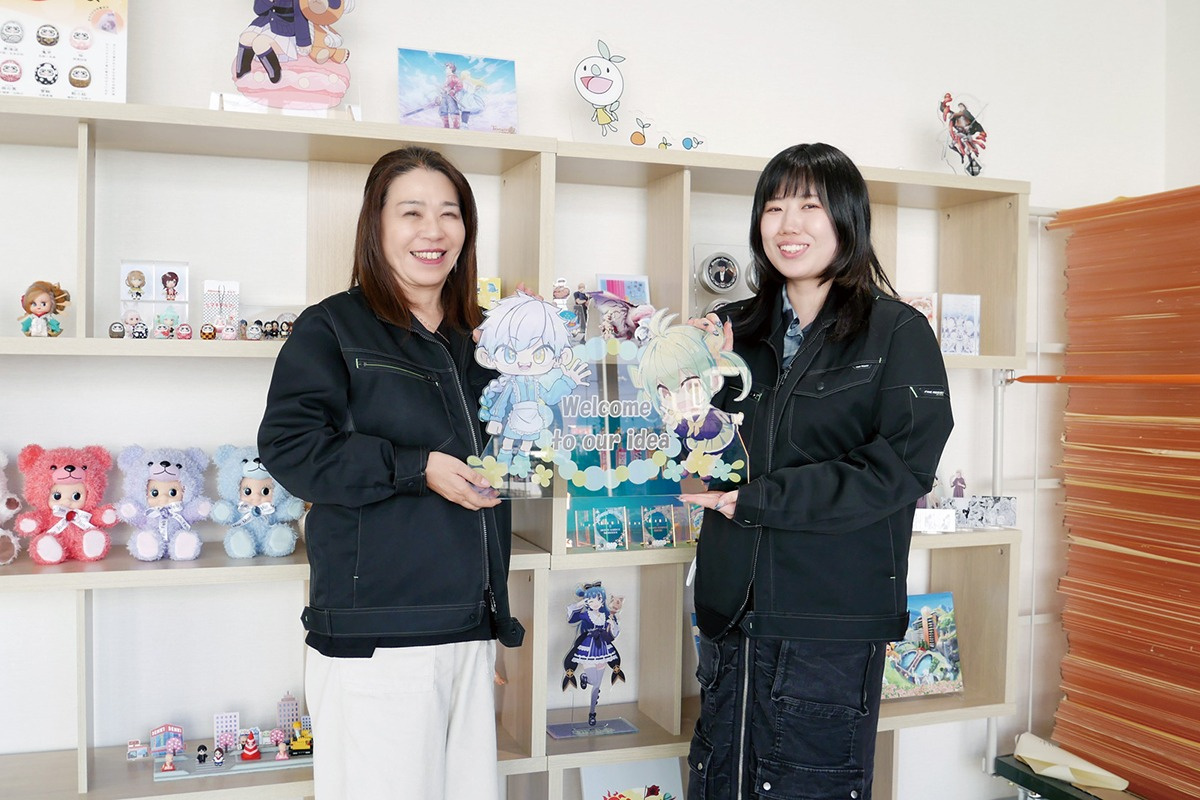
As the acrylic goods market diversified, there was a growing need to accommodate materials and shapes that could not previously be printed on, as well as small-lot, high-mix production. With conventional transfer sheets, the application sheet had to be applied manually after printing, making them unsuitable for mass production.
With the UJV300DTF-75, application-sheet attachment is automated, enabling small-lot production on diverse materials and shapes, including curved and uneven surfaces. Transfer sheets can also be printed before the base materials arrive, allowing earlier production and greater flexibility in meeting delivery schedules.
Product installed
Challenges
Improvements
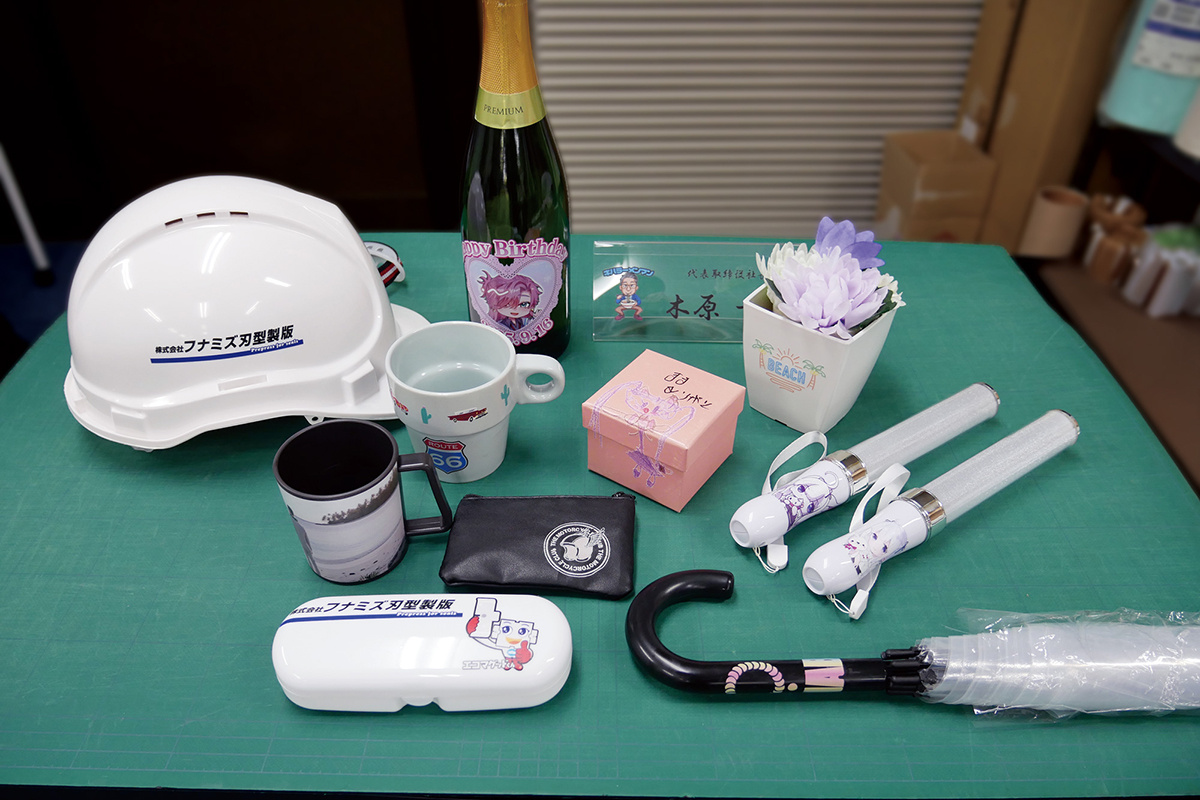
With conventional labels, reflections from transparent areas were often noticeable, making it difficult to achieve a natural, direct-print-like finish. The company also considered a flatbed UV printer, but saw challenges in the time required to make jigs, handling curved surfaces, and differentiating itself from competitors.
With the introduction of the UJV300DTF-75, the company can achieve a natural, direct-print-like finish without leaving transparent margins. It can also decorate a wide range of materials, including curved surfaces, and is developing new business opportunities by leveraging its high durability and ease of application.
Product installed
Challenges
Improvements
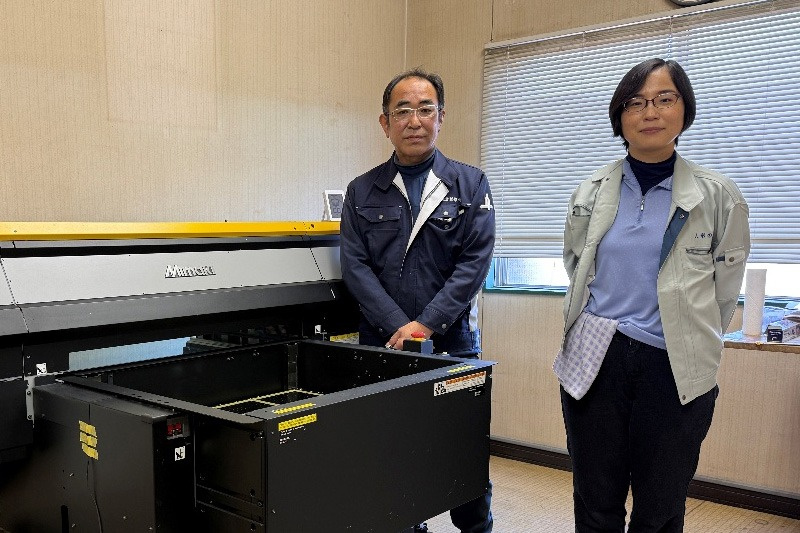
The company relied on outside artisans for artwork painting and gold foiling, but the aging workforce and shortage of successors raised concerns about its future production capabilities. Screen printing also required cumbersome management of printing screens and placed limitations on fine details and size variations.
With the UJF-7151 plusII, Sakura Seisakujo digitized decorative printing, expanded its in-house design and size options, and established a digital foiling process for gold decoration. This reduced reliance on artisans while maintaining quality and enabling the company to explore new forms of product expression.
Product installed
Challenges
Improvements
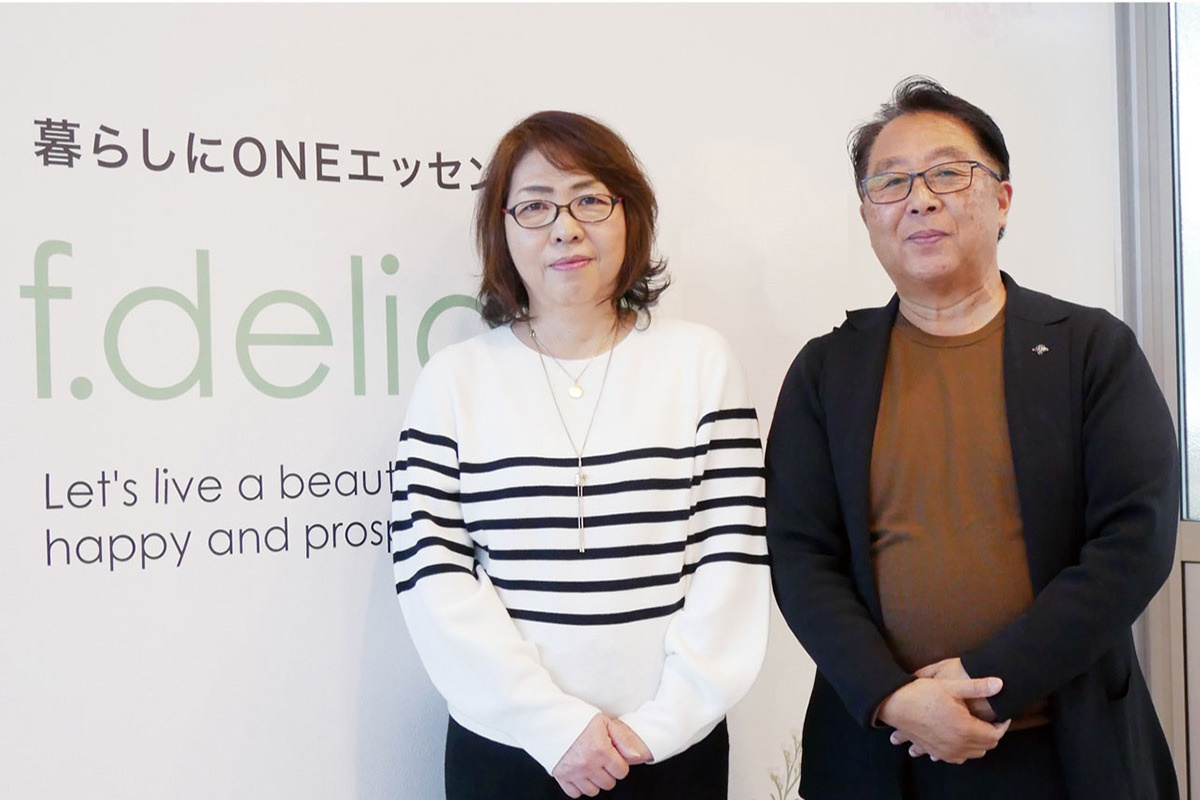
Conventional stickers and decals often had noticeable margins and glare, making it difficult to achieve a natural finish that blended seamlessly with the object. At the same time, amid the booming sticker market and growing demand driven by fan-driven culture, f.delight needed to develop new merchandise products that could also be expanded into the B2C market.
With the UJV300DTF-75, f.delight can achieve a natural finish by transferring only the ink and adhesive layer. The system enables high-value-added decoration that blends seamlessly with materials and has generated new inquiries for a wide range of applications, including tools, guidance signs, and household items.
Product installed
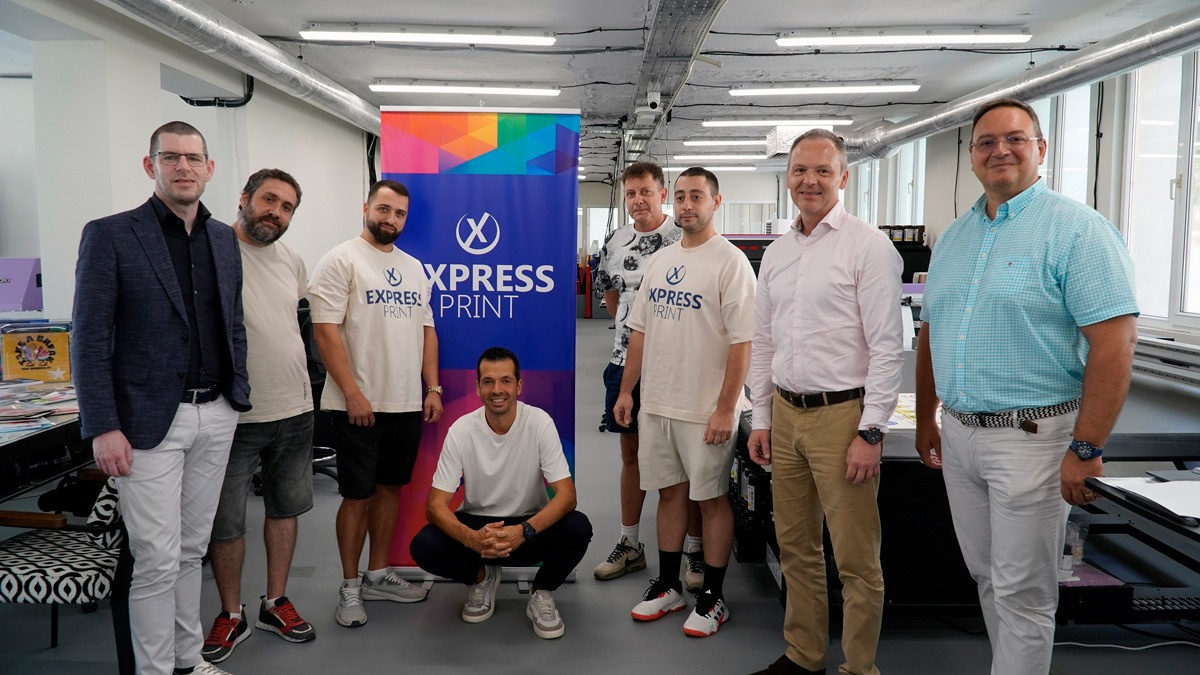
Express Print boosts production using an expanded fleet of Mimaki technologies
Challenges
Improvements
As the company expanded in the advertising market, it needed to handle more diverse jobs, from signage and soft signage to custom apparel and promotional items. However, its existing equipment posed challenges in quality consistency, colour stability, and reliable continuous operation.
Mimaki’s large-format printing systems expanded the company’s capabilities across rigid media, roll media and textiles. Stable, high-quality output improved flexibility for short lead times and small-lot jobs, while standardised operations improved efficiency and reduced training demands.
Product installed
Challenges
Improvements
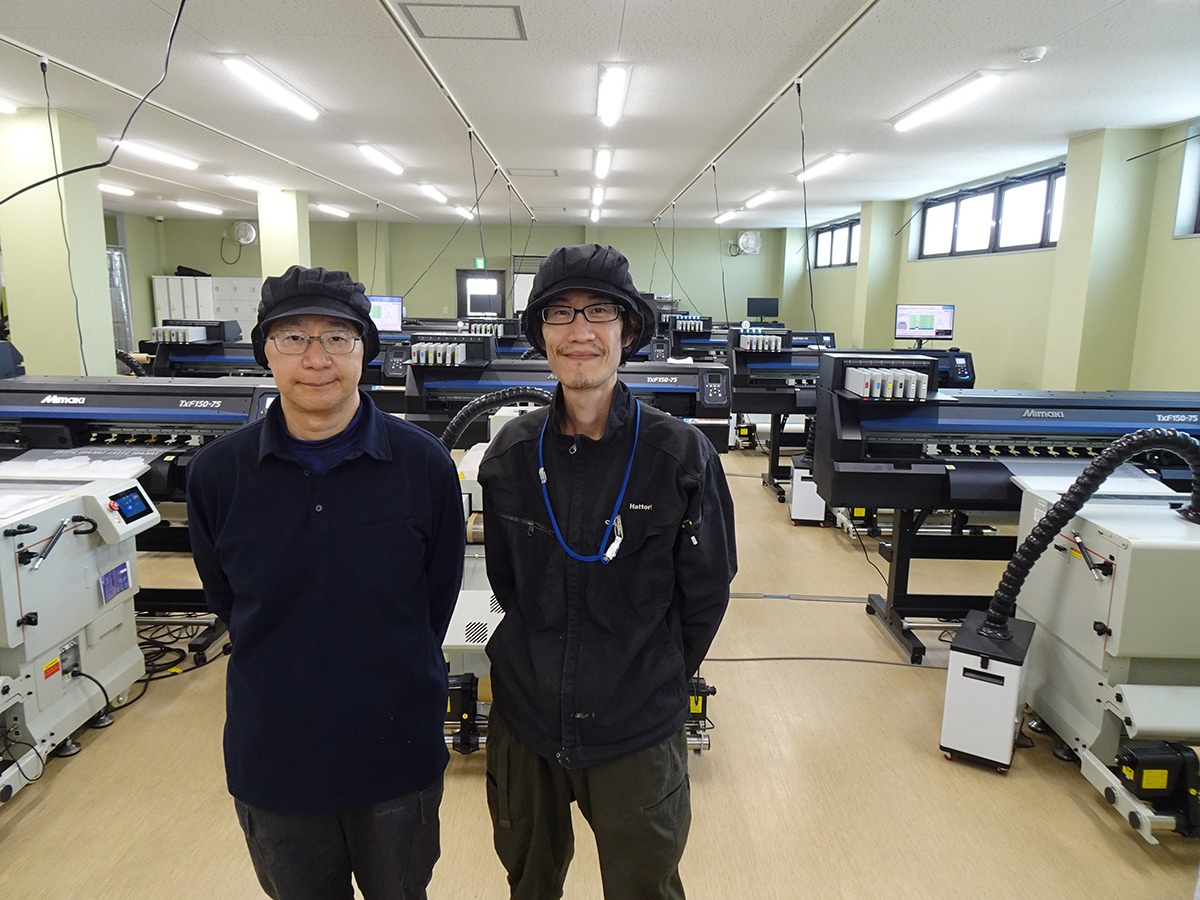
The flag market is shrinking and we want to develop new markets.
By introducing 11 units of TxF150-75 and establishing an environment in which even new staff can manufacture goods so as not to become a dependent work, goods can be manufactured quickly, safely and securely. Can be ordered in units of 1 to tens of thousands.
Product installed
Collaboration
Efforts of Mimaki
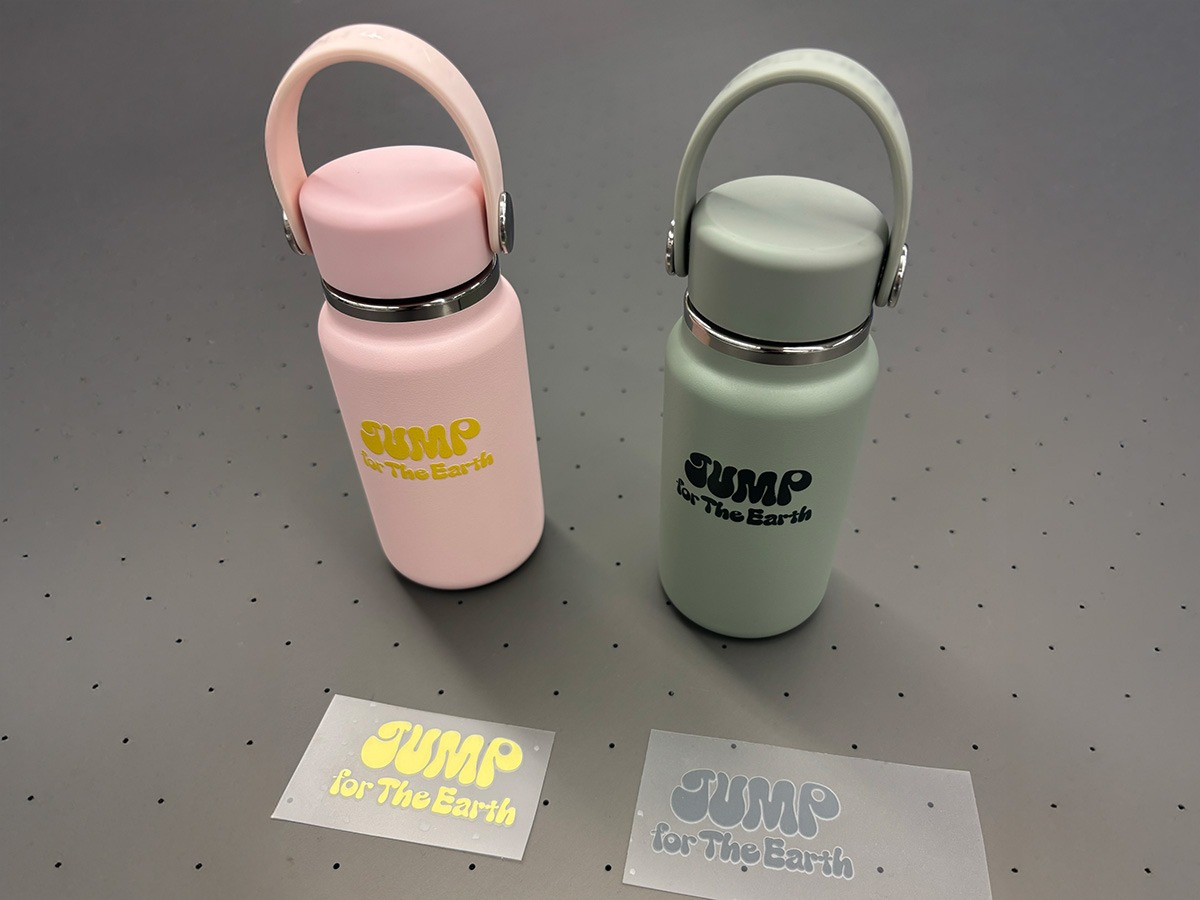
Support ski jumper Sara Takanashi with merchandise made using UV-DTF printers!
We printed the "JUMP for the Earth PROJECT" logo on a ready-made tumbler using the UV-DTF printer "UJV300DTF-75" and presented them to Sara Takanashi.
Product used
Challenges
Improvements
Printing on special materials and expensive materials with restrictions on materials and shapes involved time and risk in preparing jigs and printing from trial manufacture to actual production, and it was difficult to propose sales.
The introduction of a UV-DTF printer eliminates the need for jigs and allows a wide range of materials to be handled, reducing the time required for trial manufacture. The transfer sheet method has a high degree of freedom and contributes to shortening delivery times and winning new projects. The understanding of the sales field has advanced, and the ability to respond to not only order goods but also signature related matters has been greatly improved.
Product installed
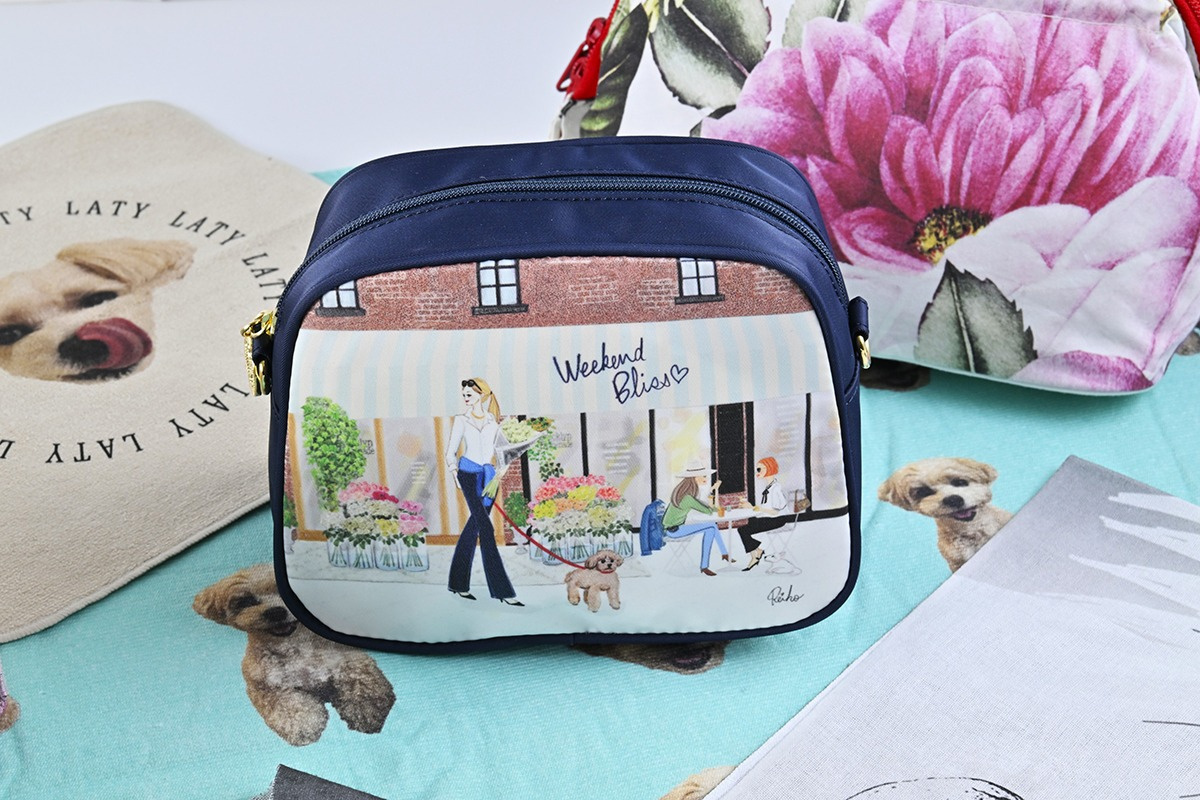
The Future of Printing with Mimaki Engineering's TRAPIS: Kori Tokyo Store
Challenges
Improvements
Sublimation transfer printing is limited to polyester, so they would like to create an environment where they can print on a wider variety of fabrics.
The introduction of TRAPIS enables printing on nylon, synthetic leather, blended fabric, and mixed woven fabric. It was also adopted by a famous designer brand and received high praise. Currently focusing on BtoB printing orders triggered by commercialization of own brand.
Product installed
Challenges
Improvements
Need a machine with high productivity and high cutting accuracy for apparel applications.
When they were using other companies' machine, they experienced cutting discrepancies or lack of cutting, but the CJV150 covered all the problems. The vividness of the colors is highly evaluated by customers, and they are also satisfied with Mimaki's support system.
Product installed